
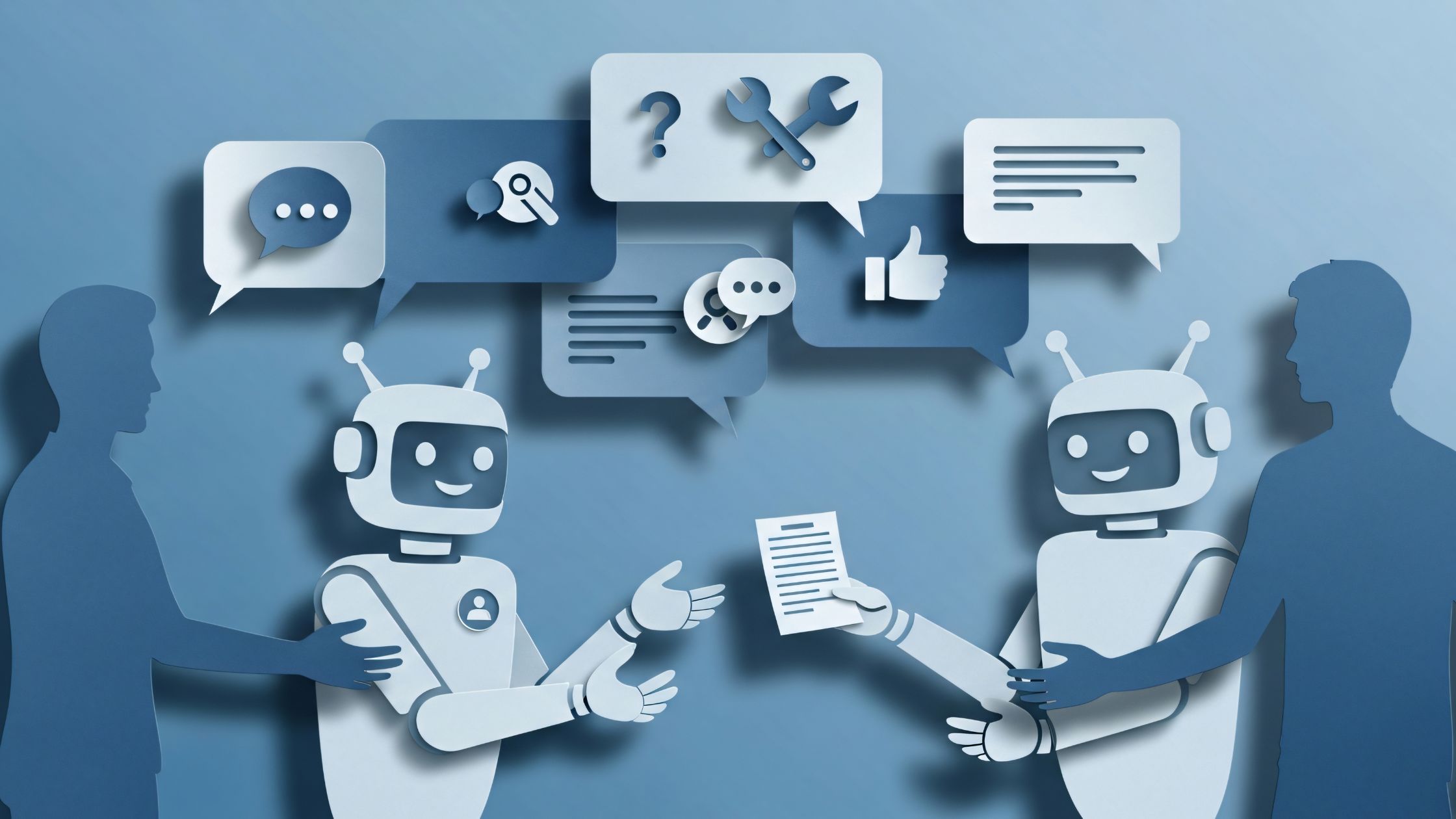

AI isn’t just for coding or fancy tech demos anymore. I started using it as a personal coach—to plan my days, build better habits, and keep my mindset in check. Not in a robotic way, but like a neutral thinking partner that’s always available.
This guide is practical. No hype. Just how I actually use AI in daily life.
What It Means to Use AI as a Personal Coach
Using AI as a personal coach doesn’t mean outsourcing your life to a machine. For me, it means:
- Getting clarity when my thoughts are messy
- Breaking big goals into doable actions
- Reflecting without judgment
- Staying consistent when motivation dips
AI doesn’t replace discipline or self-awareness. It supports them.
Using AI as a Productivity Coach
Daily Planning with AI (Morning Setup)
Instead of staring at a to-do list, I ask AI to help me prioritize based on energy, not just urgency.
AI Prompt:
Act as a productivity coach.
Here are my tasks for today: [list tasks].
I have [X] hours available.
Help me prioritize them, suggest time blocks, and flag anything I should postpone.
Why this works:
- It reduces decision fatigue
- It forces realistic planning
- It highlights overload early
Breaking Big Goals into Action Steps
When a goal feels overwhelming, I don’t trust my brain to simplify it. I let AI do the first pass.
AI Prompt:
I want to achieve this goal: [goal].
Break it down into small, realistic daily or weekly actions.
Assume I’m busy and can only work in short sessions.
This turns vague ambition into something I can actually start today.
Beating Procrastination with AI
Most procrastination isn’t laziness—it’s confusion or fear. AI is great at surfacing that.
AI Prompt:
I’m procrastinating on this task: [task].
Ask me a few questions to identify why I’m stuck, then suggest a simple first step.
I use this when I feel blocked but can’t explain why.
End-of-Day Review (5 Minutes Max)
This is where AI becomes a quiet accountability partner.
AI Prompt:
Help me review my day.
What went well, what didn’t, and one improvement for tomorrow.
Keep it short and practical.
Over time, patterns show up—energy dips, overcommitment, distractions.
Using AI to Build Better Habits
Choosing the Right Habits (Not Too Many)
AI helps me avoid the “change everything” trap.
AI Prompt:
Based on my goal of [goal], suggest 3 high-impact habits I should focus on first.
Keep them simple and sustainable.
This keeps habit-building realistic.
Habit Tracking & Feedback
Instead of just ticking boxes, I use AI to reflect on patterns.
AI Prompt (Weekly):
Here’s my habit data for the week: [summary].
Identify patterns, weak points, and one small adjustment to improve consistency.
This feels more useful than raw streaks.
Habit Stacking with AI
AI is good at spotting logical pairings.
AI Prompt:
These are my existing daily routines: [list].
Suggest habit stacks to add [new habit] naturally.
This reduces friction, which matters more than motivation.
Using AI as a Mindset Coach
AI-Guided Journaling
When I don’t know what to write, AI gives structure without judgment.
AI Prompt:
Give me 5 journaling questions to reflect on today, focusing on clarity and emotional balance.This is especially helpful on stressful days.
Reframing Negative Thoughts
AI is neutral. That’s its superpower.
AI Prompt:
I’m thinking this: “[negative thought]”.
Help me reframe it realistically without toxic positivity.
It helps me step out of my own mental loop.
Building a Growth Mindset
When something fails, AI helps me extract lessons instead of spiraling.
AI Prompt:
I failed at [situation].
Help me analyze what happened, what I can learn, and how to improve next time.
This turns mistakes into feedback.
My Simple Daily AI Coaching Routine
Morning (5–10 min)
- Daily plan + priorities
- One clear intention
Midday (2–3 min)
- Focus reset or procrastination check
Evening (5 min)
- Reflection + mindset check
Weekly (15 min)
- Habit review
- Productivity patterns
- Adjust goals
That’s it. No constant checking. No overuse.
Best Types of AI Tools for Personal Coaching
I focus on tools that:
- Allow conversation, not just tracking
- Respect privacy
- Don’t overload with features
Categories that work well:
- Chat-based AI assistants
- Habit & wellness apps with AI insights
- Productivity tools with smart suggestions
The tool matters less than how consistently you use it.
Common Mistakes to Avoid
- Using AI instead of taking action
- Asking for advice but ignoring it
- Over-optimizing every detail
- Treating AI like an authority, not a guide
AI should support thinking, not replace it.
Mental Health & Ethical Boundaries
I keep a few rules:
- I don’t use AI as my only emotional outlet
- I don’t share deeply sensitive data blindly
- I seek human help when issues feel heavy
AI is a tool, not a therapist.
Final Thoughts: AI as a Mirror, Not a Master
The best way I’ve found to use AI is as a mirror—reflecting patterns, clarifying thoughts, and nudging me forward.
Small steps. Honest reflection. Consistency.
If you’re curious, start with one prompt today. That’s enough to see the value.
One thought on “How to Use AI as a Personal Coach for Productivity, Habits, and Mindset”
Comments are closed.